John Kelly Park Is Getting a Glow-Up: History, Community, and What’s Coming Next in Lakeview
If you live in Lakeview, you’ve probably walked past John Kelly Park more times than you can count. It’s one of those neighborhood constants, familiar, green, quietly holding space for dog walkers, neighbors, and anyone cutting through Seminary Avenue.
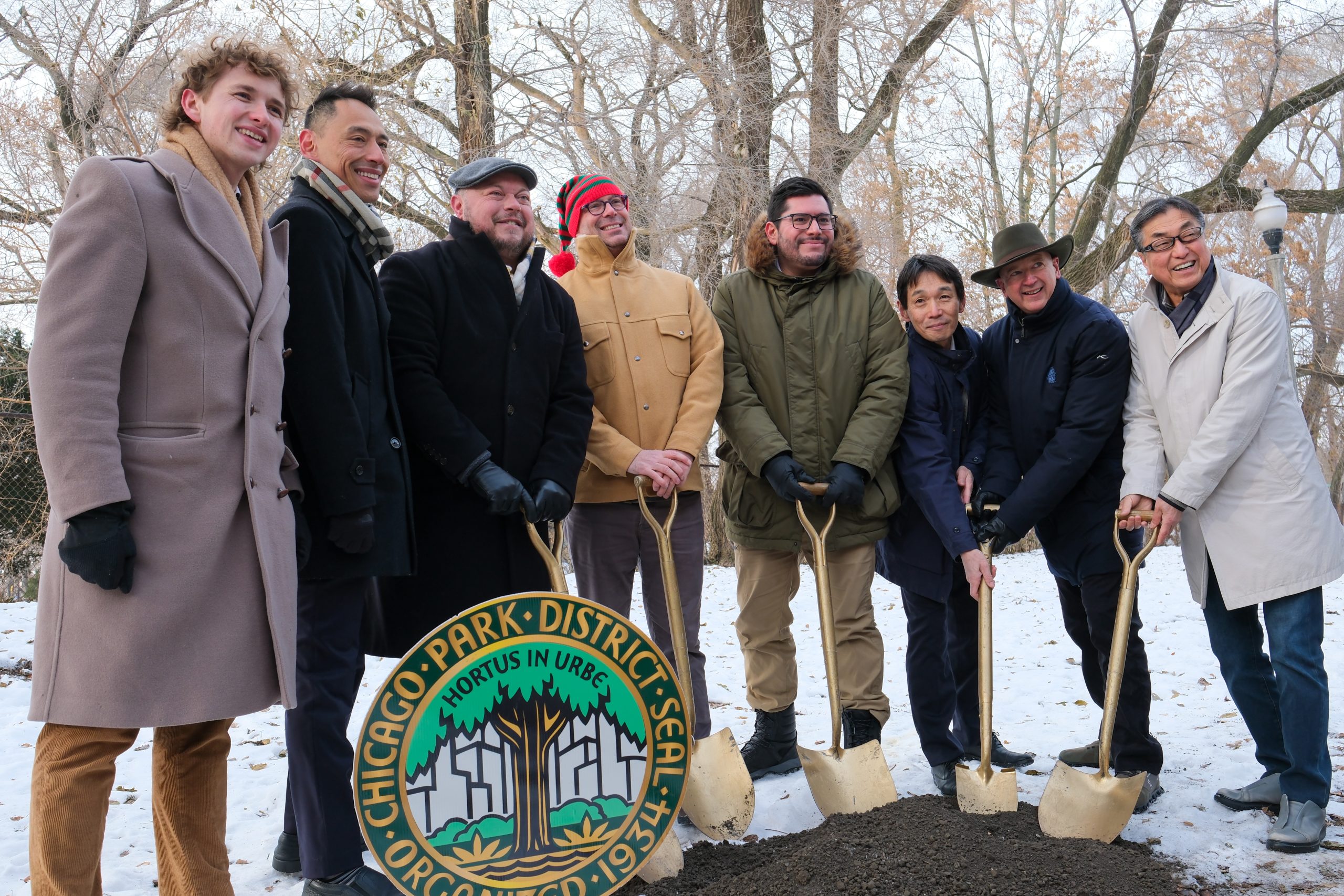
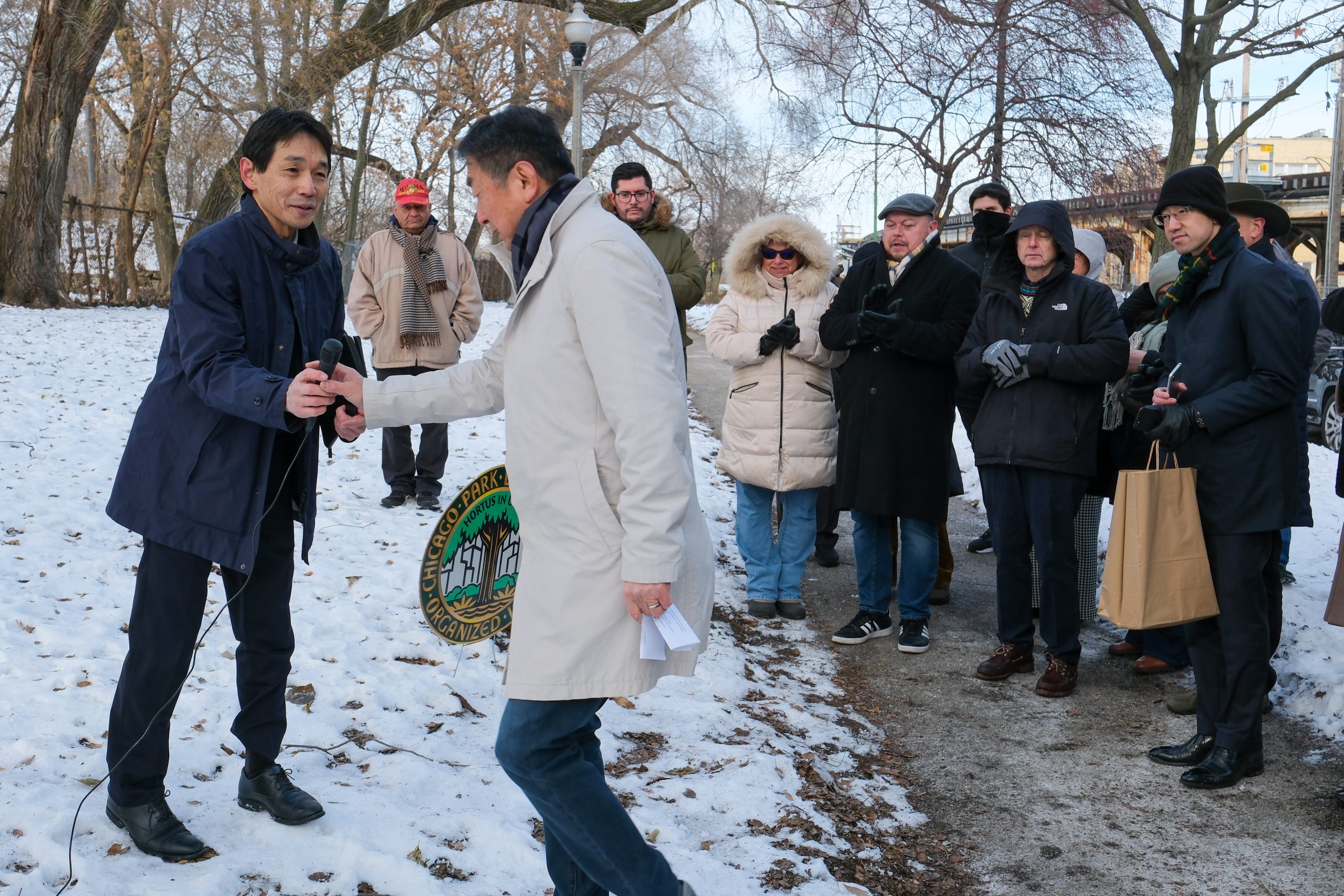
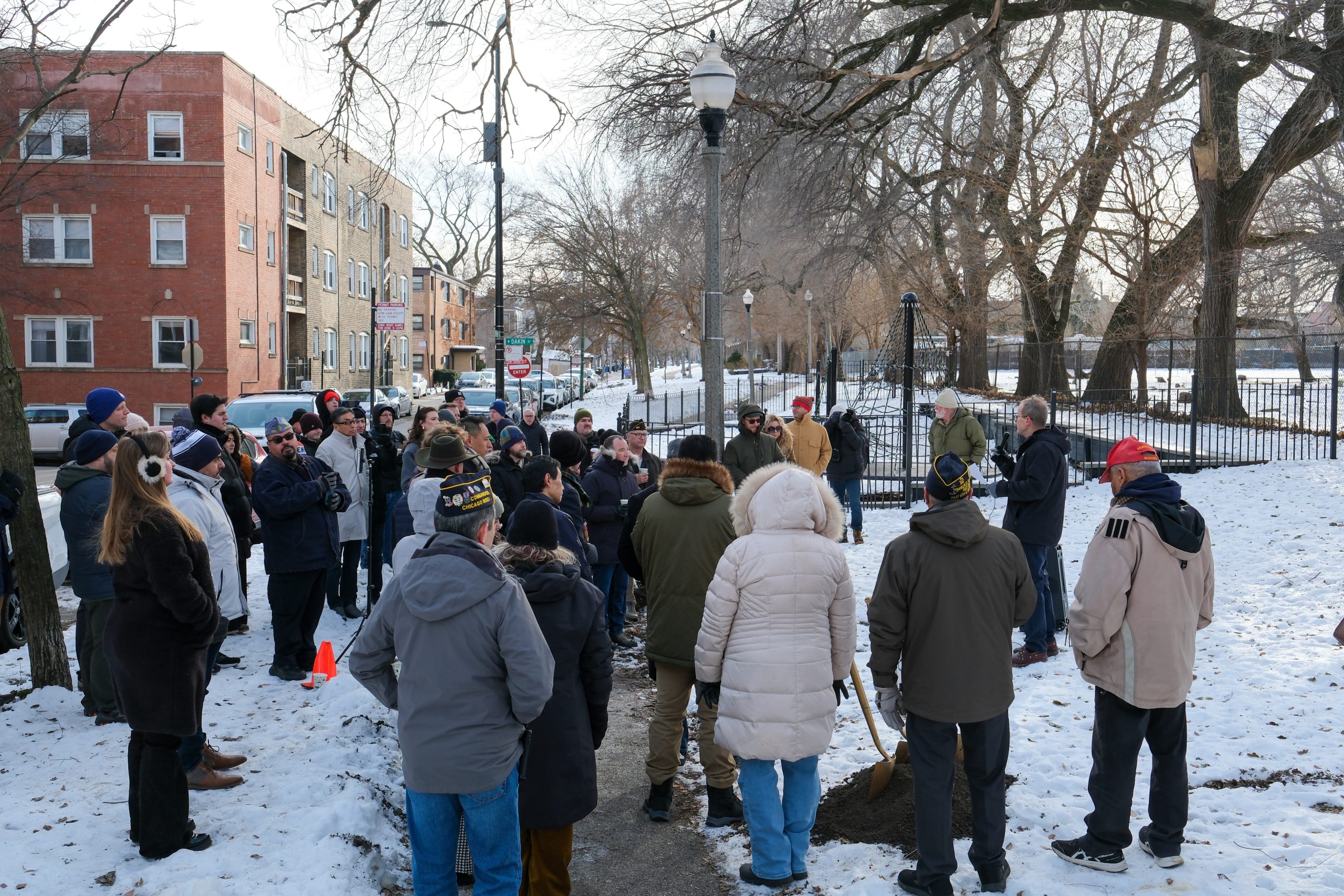
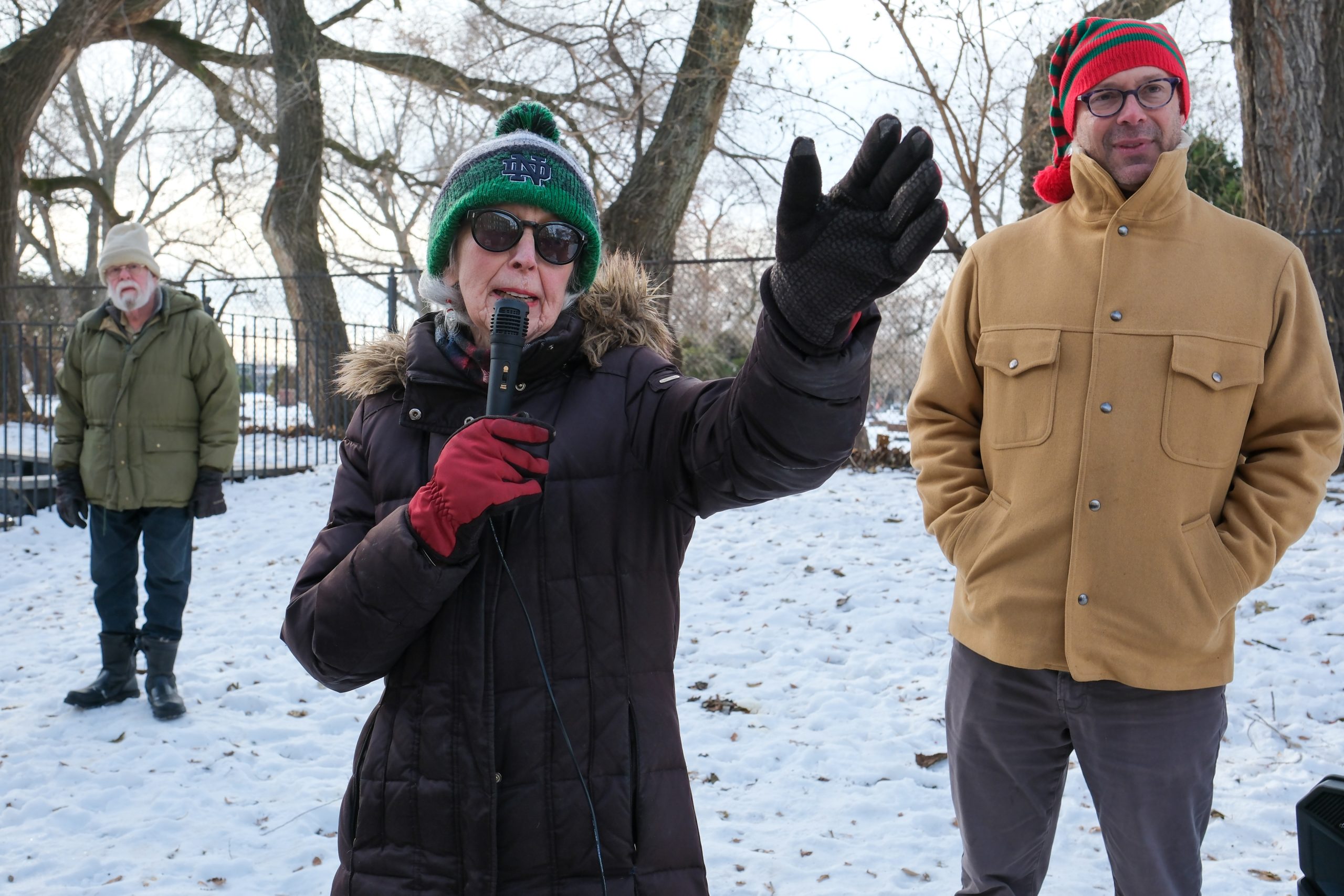
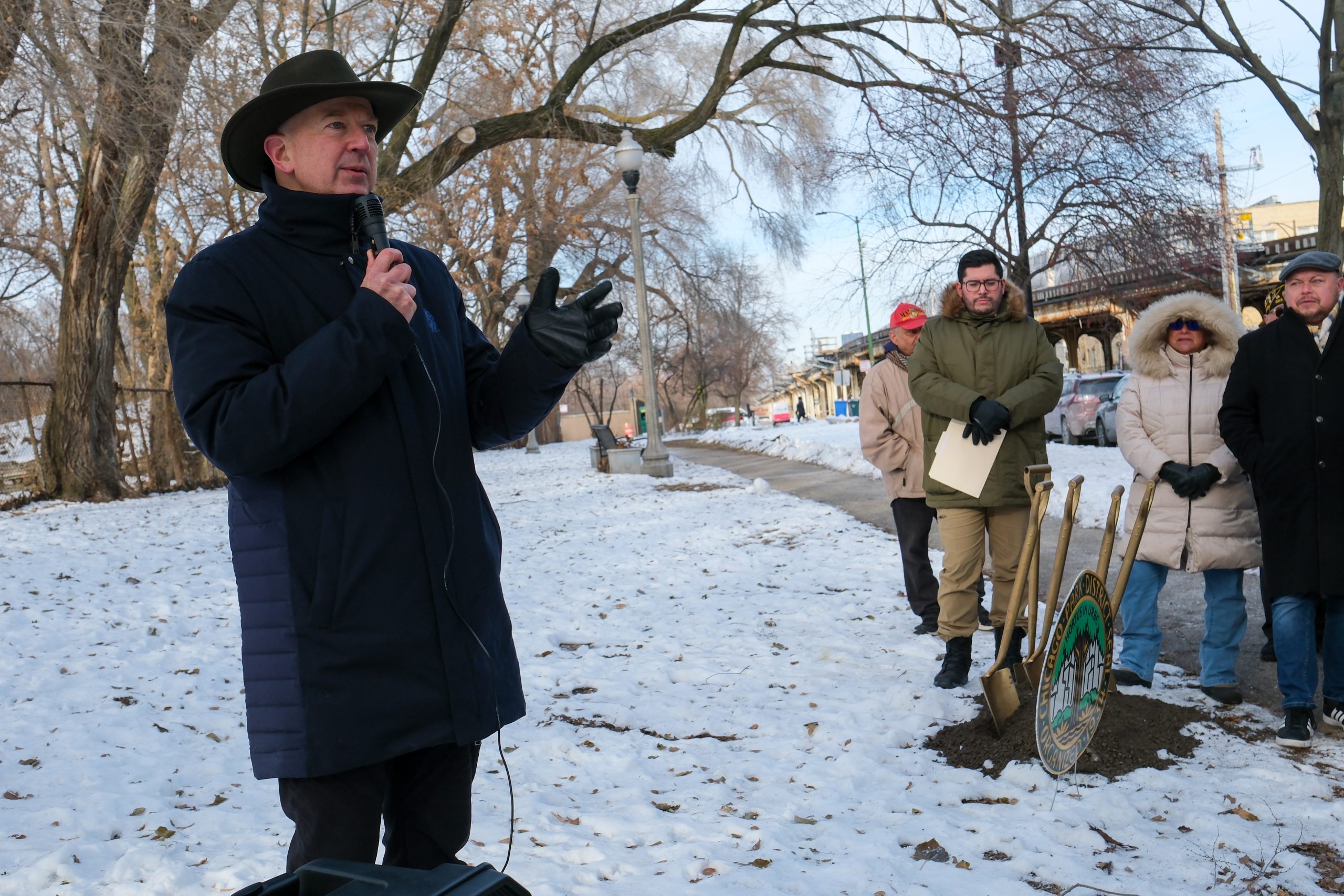
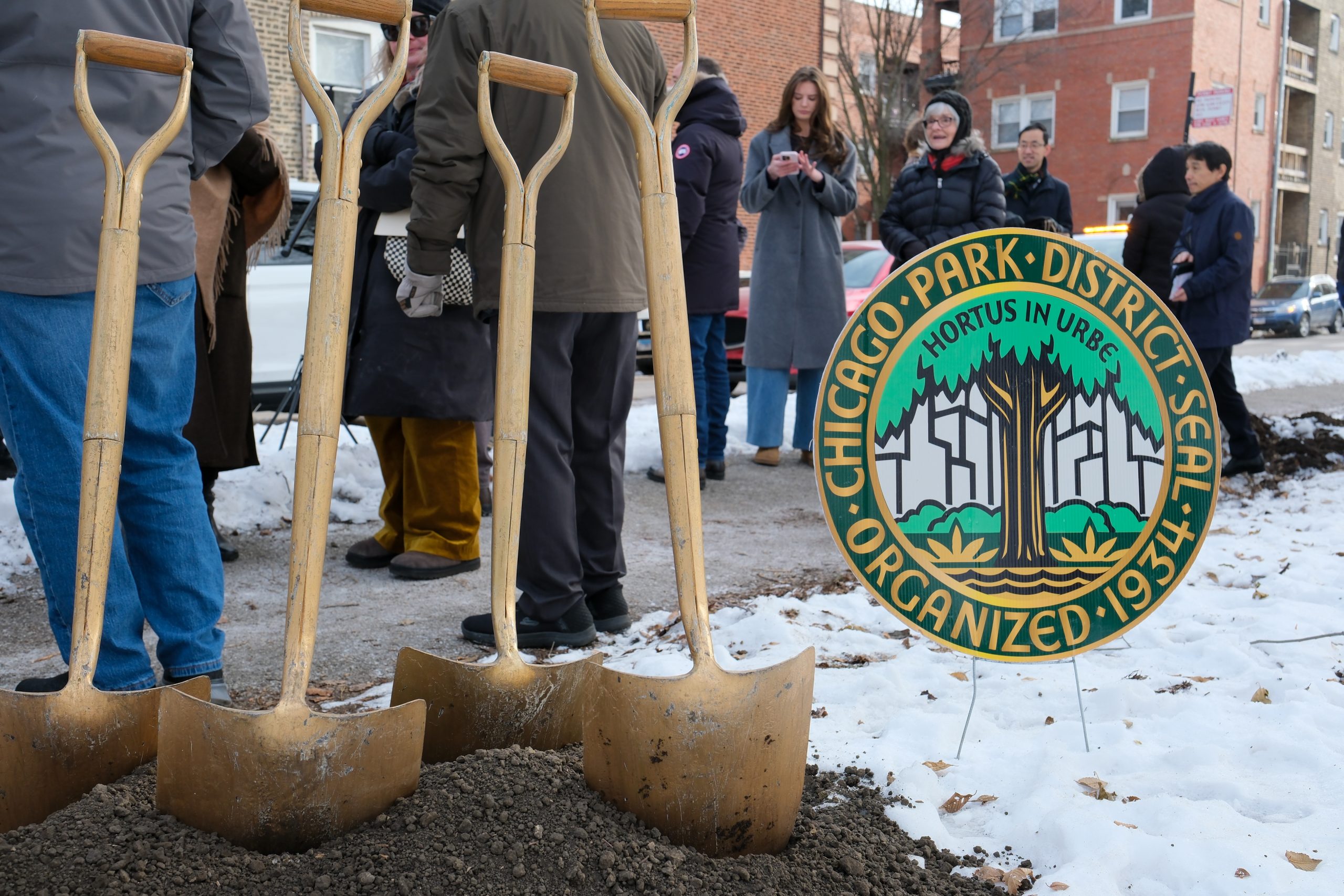
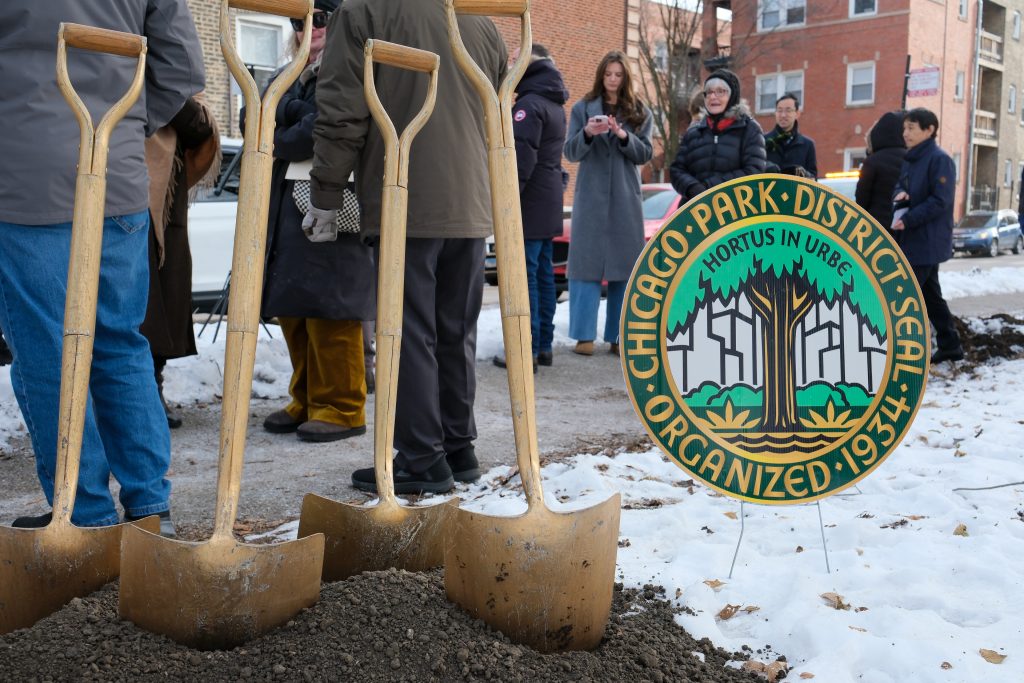
Now, that longtime local park is entering an exciting new chapter. With a recently celebrated groundbreaking, John Kelly Park is officially on its way to becoming a reimagined community space that honors its history, reflects Lakeview’s cultural roots, and brings something truly special to the neighborhood.
Who John H. Kelly Was and Why the Park Matters
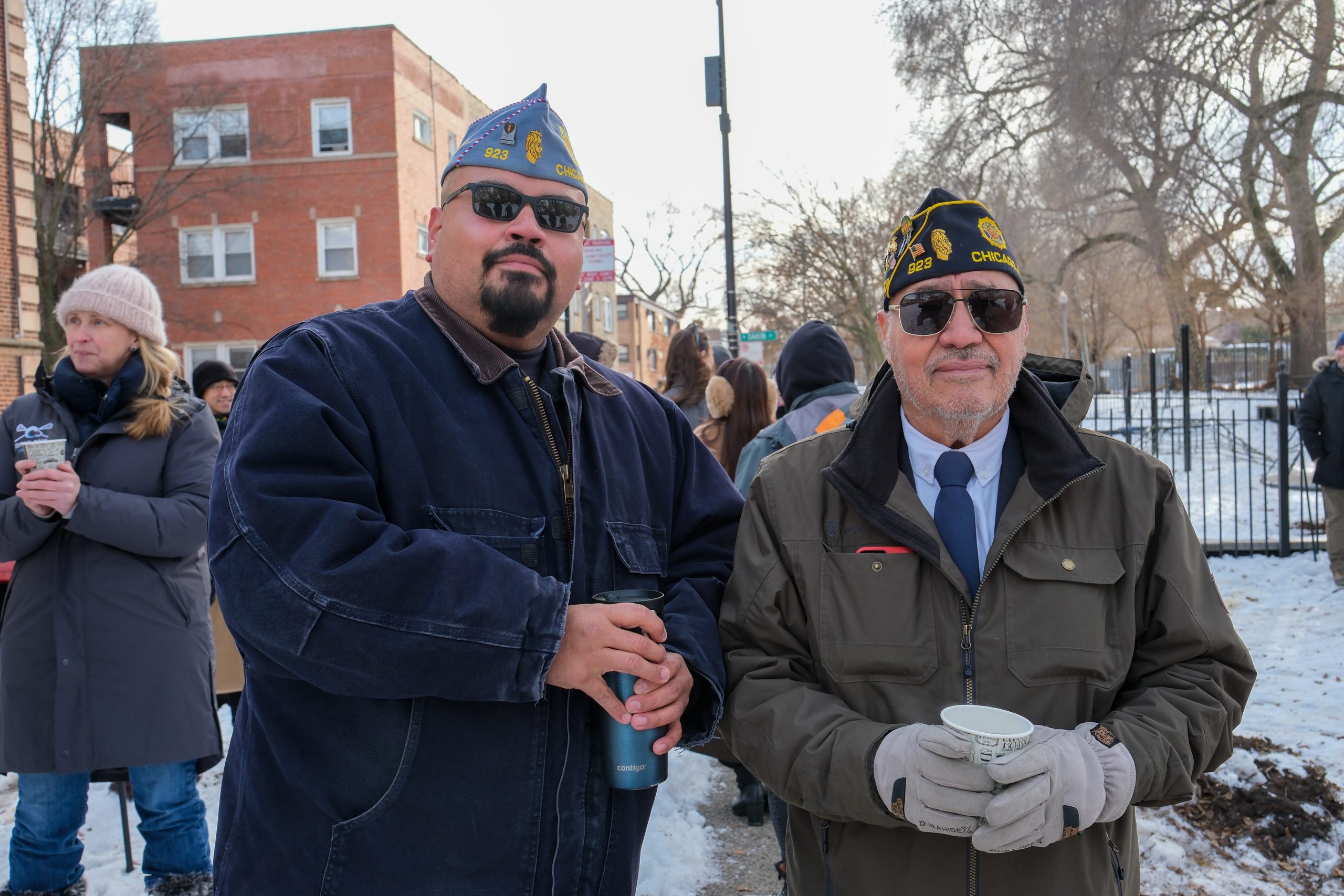
John H. Kelly Park is named in honor of Private First Class John H. Kelly, a Lakeview resident who was killed in action during World War II while serving in France. In 1979, the City of Chicago designated the land as a public park in his memory, with a formal dedication following in 1980. The park is located on Seminary between 3800 & 4000 N Seminary!
From the beginning, the park was meant to do two things at once: serve the everyday needs of the neighborhood and stand as a lasting tribute to a local soldier who never made it home. That balance between remembrance and daily life has shaped the park’s identity ever since.
John H. Kelly Park doesn’t look or function like most parks in Chicago. Stretching across multiple blocks in a long, narrow strip totaling just over 1.27 acres, it has always been a bit unconventional. Its layout makes it feel less like a destination park and more like a thread woven through the neighborhood. In the early 1990s, the Chicago Park District began leasing the land from the City of Chicago as part of a land swap, an arrangement that still exists today. That unusual setup, combined with the park’s shape, has often made improvements more complicated and slower to materialize.
A playground renovation in 1995 was intended to modernize the space but ultimately fell short of what residents had hoped for by a long shot. Instead of giving up, neighbors stepped in. The Kelly Park Advisory Council formed, organizing, fundraising, and advocating for years to push for a better vision. Those efforts laid the groundwork for the changes now underway. But honoring John H. Kelly is only one layer of the park’s story.
Lakeview’s Japanese American Legacy
One of the most meaningful elements of the park’s redesign connects to a history many people are surprised to learn began right here in Lakeview.
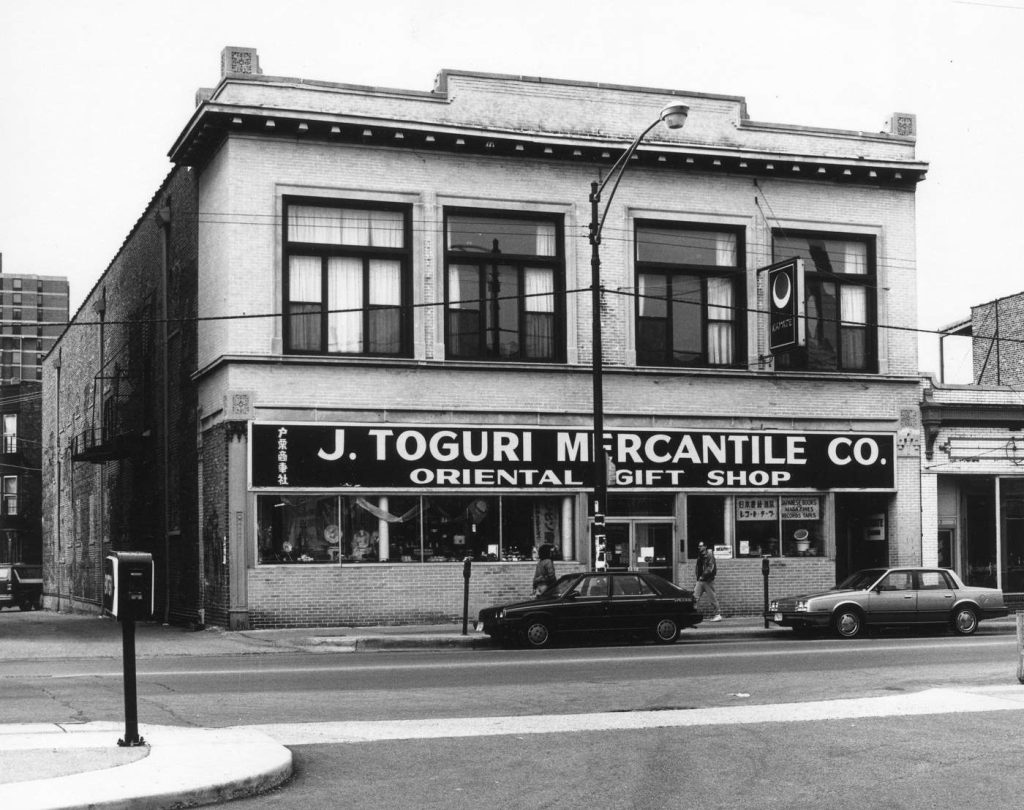
In the early 1900s, Lakeview quietly became the center of Chicago’s Japanese American community. At the time, Japanese immigrants faced widespread discrimination, including barriers to land ownership and exclusion from established ethnic neighborhoods. Lakeview offered something rare: relatively affordable housing, access to service and domestic jobs, and convenient transit connections to downtown.
By the 1920s and 1930s, the neighborhood around what is now Clark Street was home to Japanese boarding houses, restaurants, businesses, churches, social clubs, and newspapers. Lakeview also became the site of Chicago’s first Japanese Christian churches, making it a regional gathering place for Japanese Americans across the Midwest. For decades, Lakeview was where people found community, familiarity, and support in a city that often made assimilation difficult.
That thriving community was abruptly dismantled during World War II. Following the attack on Pearl Harbor, Japanese Americans were forcibly removed from their homes and incarcerated by the U.S. government. Families were displaced, businesses closed, and entire networks of support vanished almost overnight.
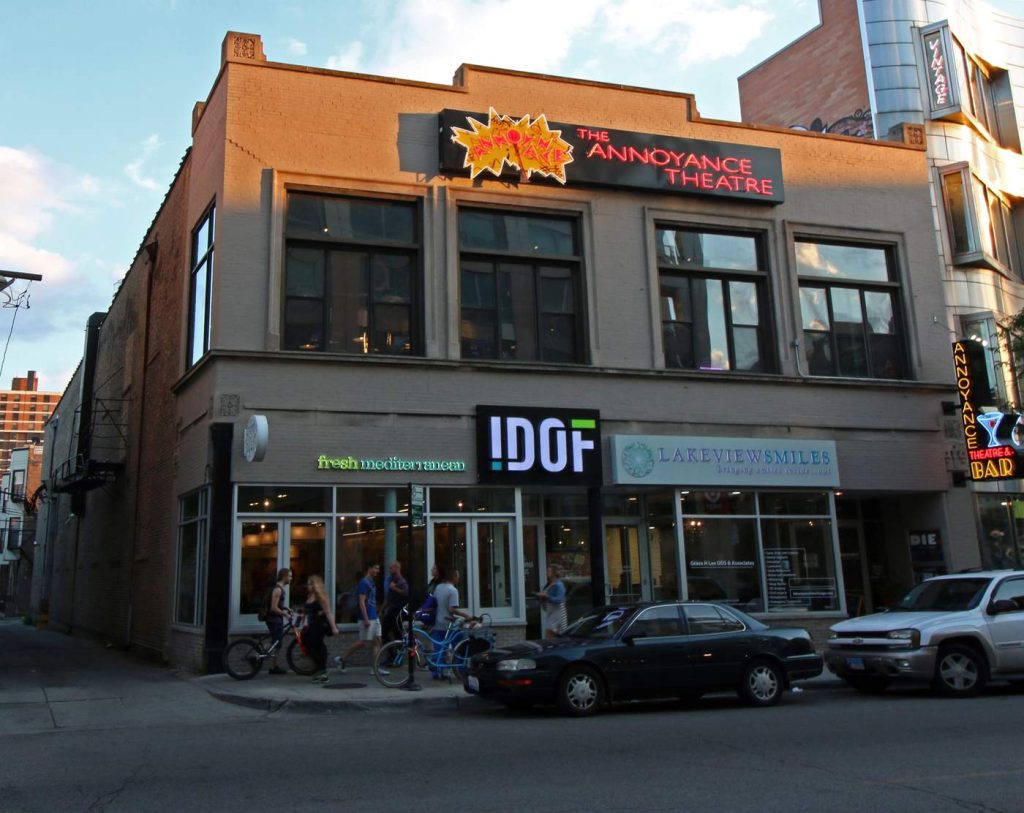
Many former residents never returned to Lakeview after the war. Over time, the neighborhood’s role as a Japanese American cultural center faded from public memory, even though its impact remained embedded in the area’s history.
While much of that history faded from public view, it never disappeared entirely. Just blocks from Kelly Park, the Japanese Culture Center of Chicago continues to preserve and celebrate Japanese culture through language programs, art, education, and community events. The redesign of John H. Kelly Park intentionally draws from this legacy, reintroducing Japanese cultural influence into a space shaped by the neighborhood’s past.
Reconnecting the Past to the Present
The redesign of John H. Kelly Park draws inspiration from the neighborhood’s Japanese legacy. Through landscape design and cultural elements influenced by Japanese traditions, the park’s transformation honors a history that once shaped the neighborhood and makes it visible again in a meaningful, lasting way. Right now, John H. Kelly Park features a soft-surface playground, open green space, and areas designed for passive recreation. It’s well-used, well-loved, and clearly due for reinvestment.
The upcoming renovation will bring long-awaited infrastructure upgrades, improved accessibility, and new design features that reflect both the neighborhood’s history and its future. The project is the result of years of collaboration between residents, community organizations, elected officials, and the Chicago Park District.
Construction is expected to begin soon, with completion targeted for roughly nine months once work is underway (September 2026, hopefully!)
John H. Kelly Park has always been a reflection of Lakeview itself: layered, evolving, and shaped by the people who care enough to push for more. It’s a memorial to a fallen soldier, a quiet witness to a once-thriving Japanese American community, and a reminder that neighborhood spaces don’t improve by accident. This glow-up isn’t just about new landscaping or updated equipment. It’s about acknowledging history, honoring community voices, and creating a park that feels intentional, welcoming, and rooted in place.
For a small park, it carries a big story. And its next chapter is just getting started.