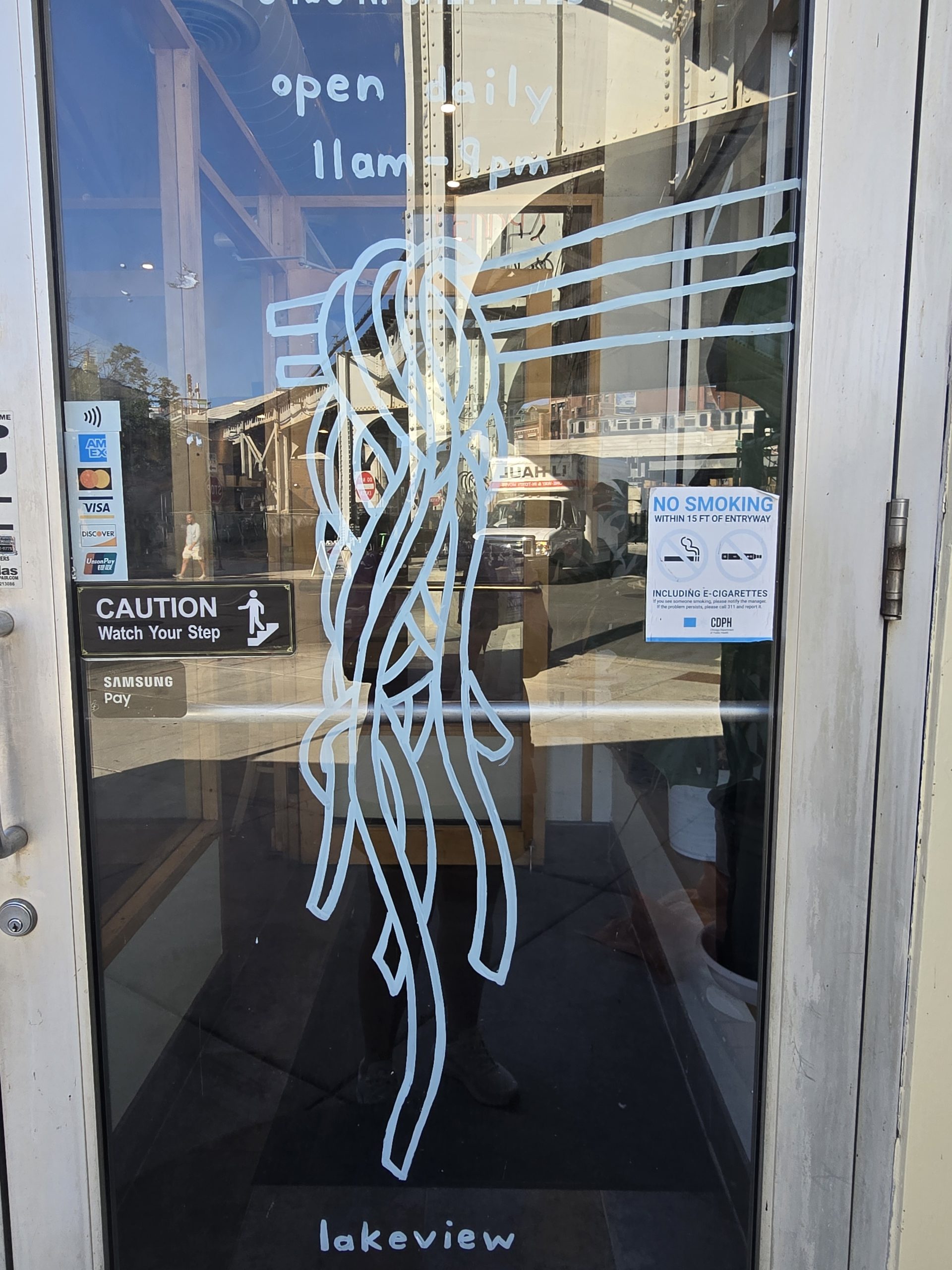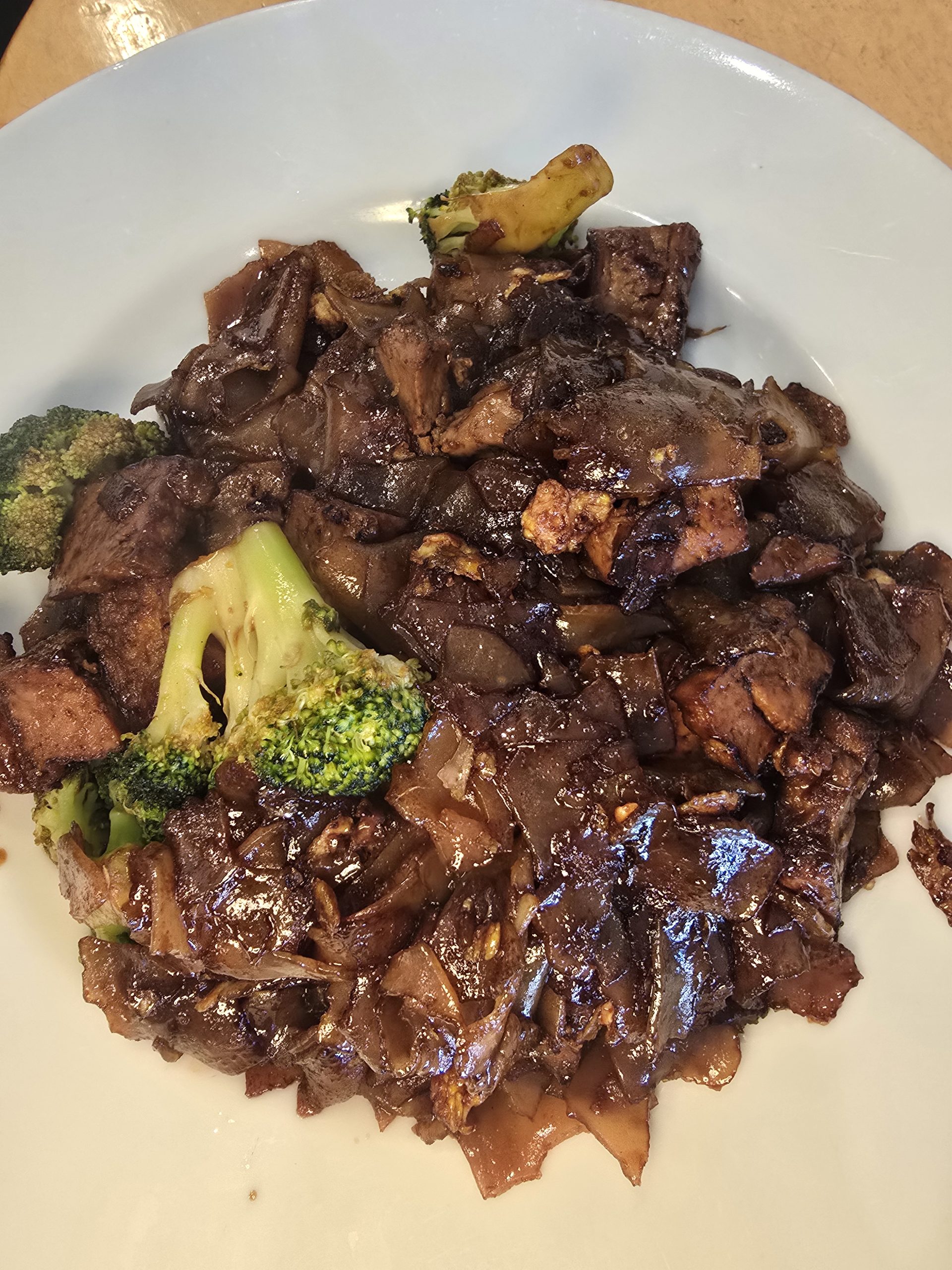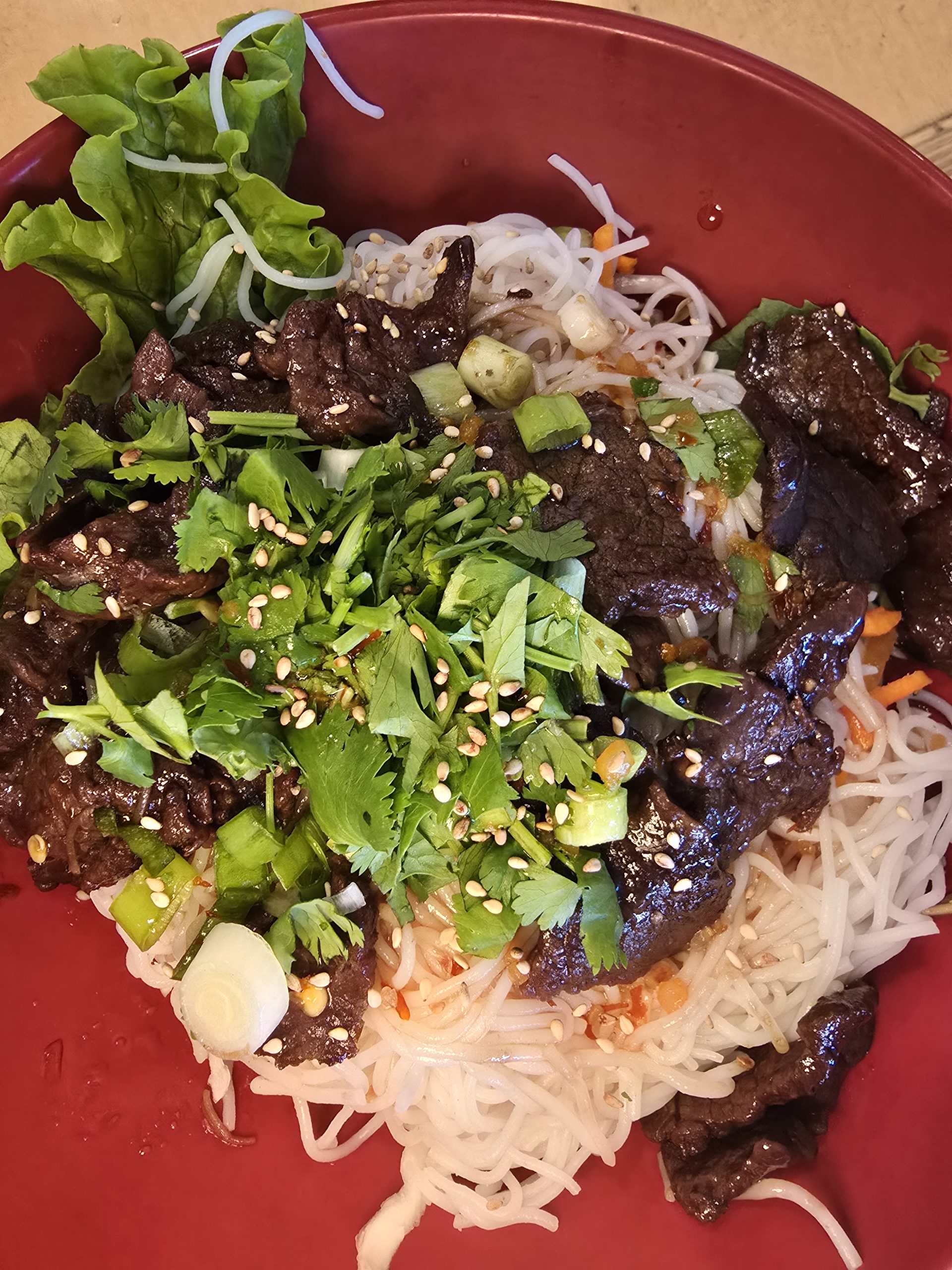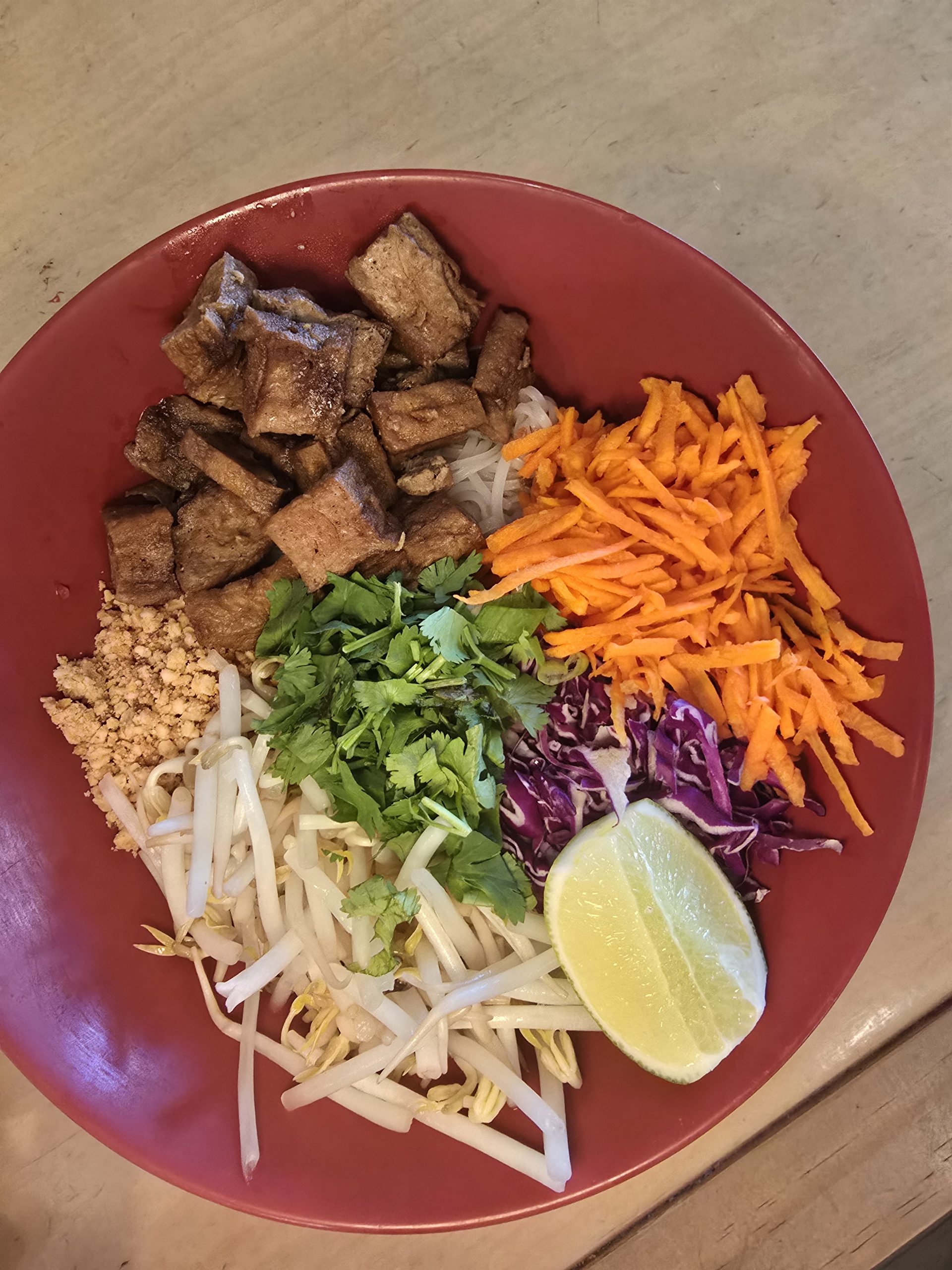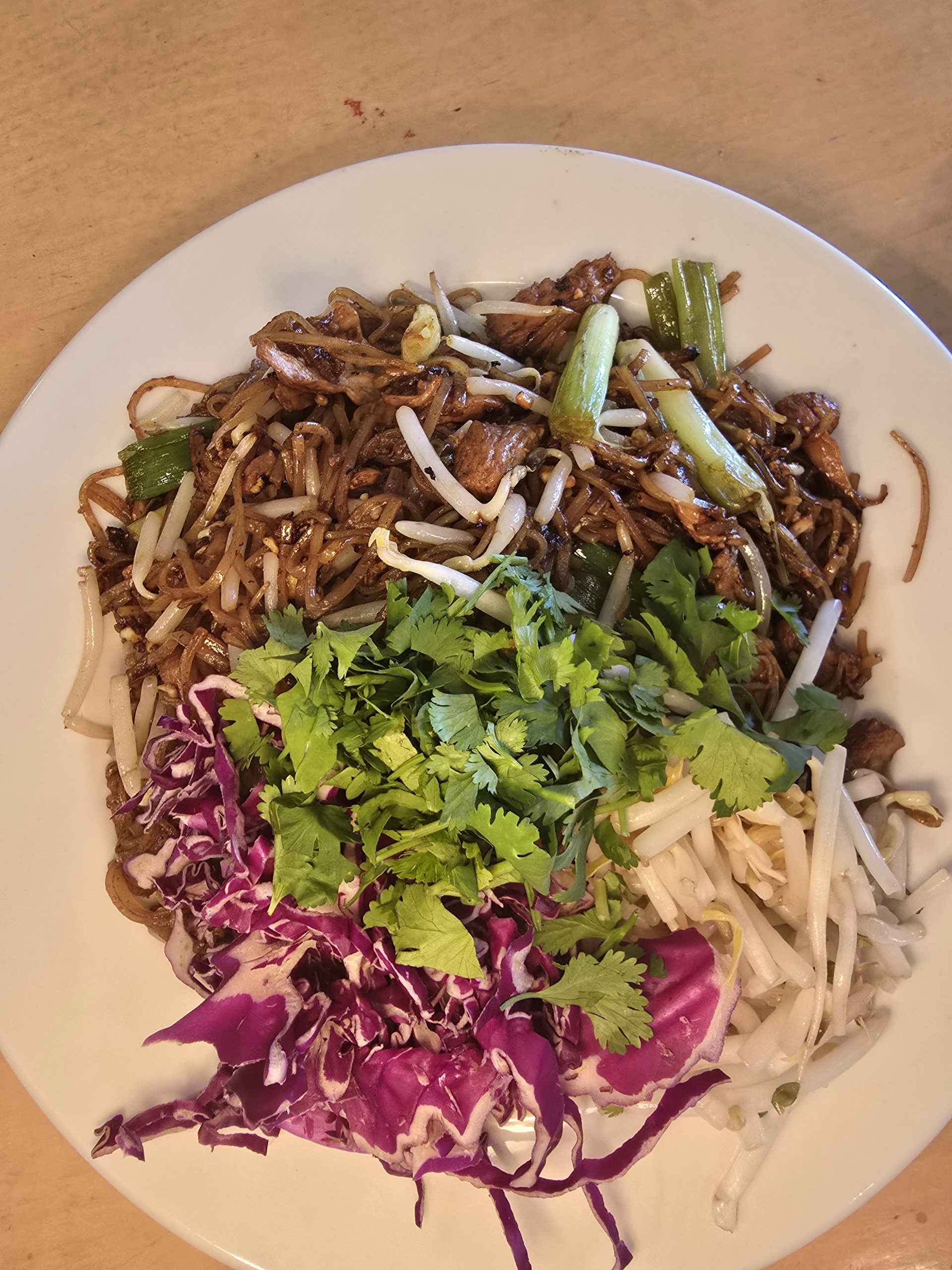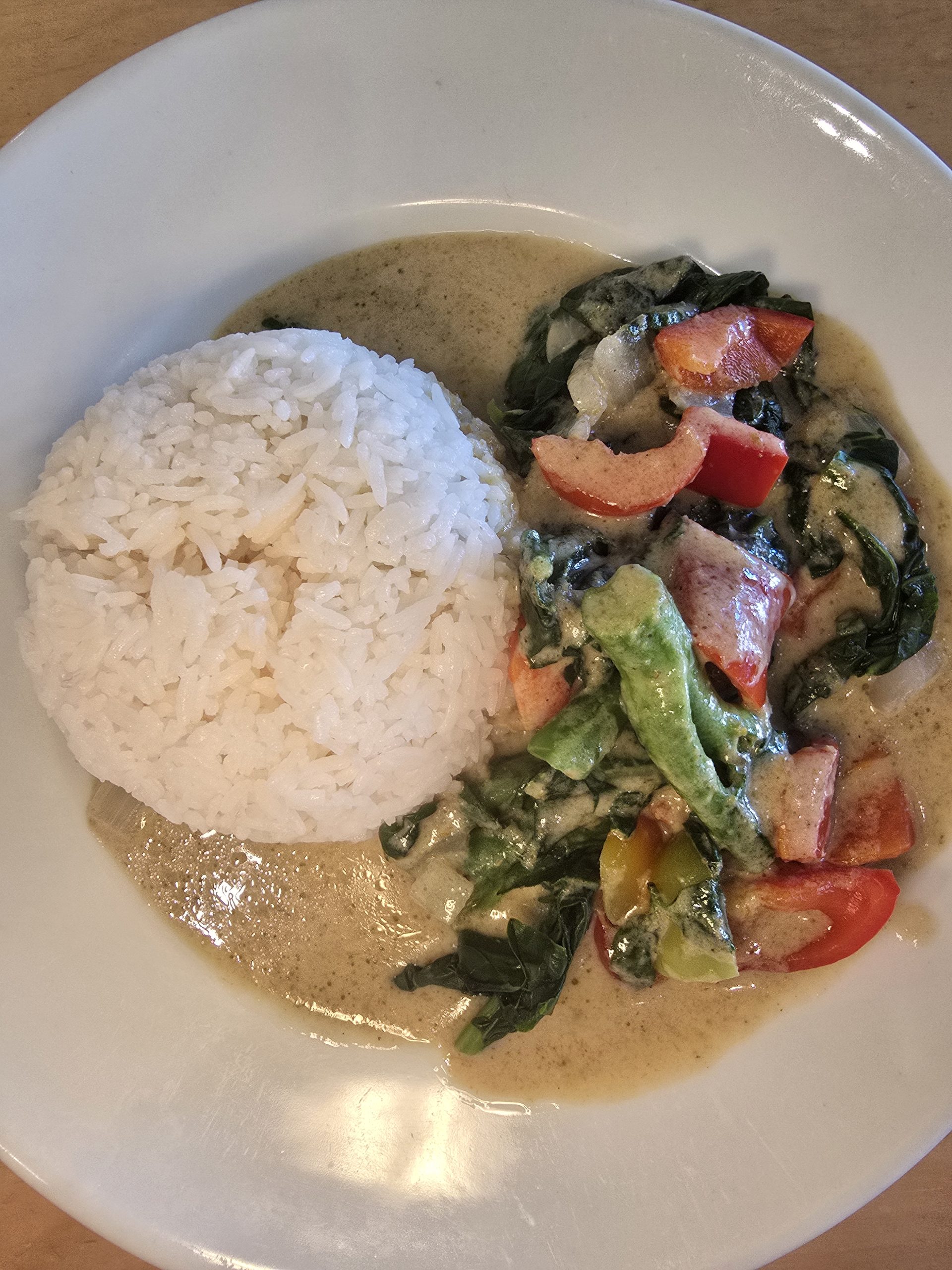
At Penny’s Noodle Shop, located at 3400 N Sheffield, time is measured a little differently. It is measured in favorite orders remembered, recipes carefully preserved, and customers who have returned often enough to become family. It is measured in the children who once sat at the table with their parents and now walk in as adults, sometimes with partners and children of their own.
Owner Areerat “Aree” Potikul remembers serving some customers while they were pregnant. Years later, she has watched those same customers return with children who are now in their twenties and bringing in their own fiancés.
Thirty-five years will do that.
Since opening in 1991, Penny’s Noodle Shop has become one of those rare Chicago restaurants that feels built into the lives of the people who love it. The neighborhood has changed, the restaurant has moved and returned, and ownership has passed from one generation to the next. Through it all, the food, the familiar faces, and the feeling of walking into Penny’s have remained remarkably consistent. That consistency is no accident. It is the legacy Aree was trusted to protect.
From Bangkok to Chicago
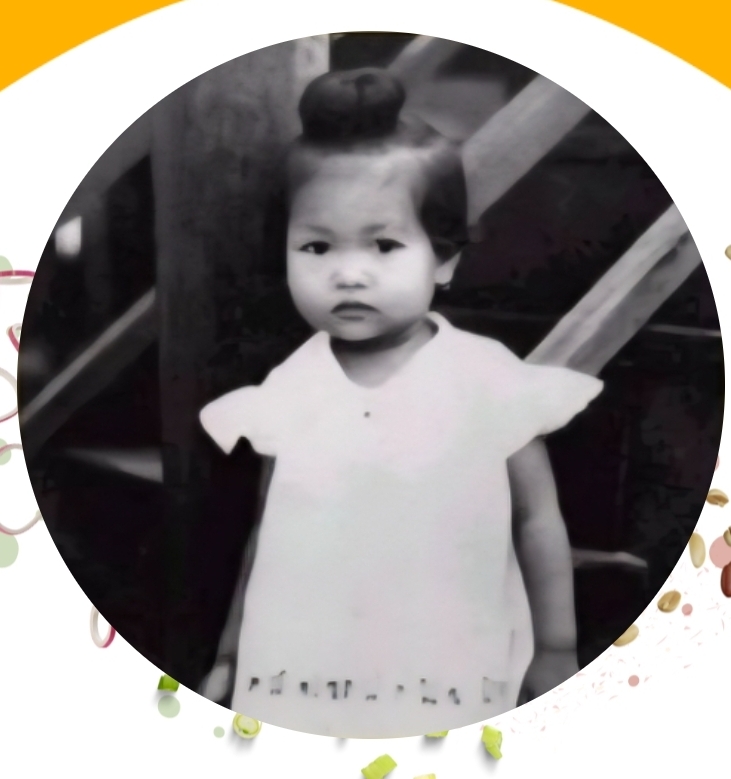
The story begins with Penny, who left Bangkok for Chicago in 1977. She arrived with plans to finish college and eventually return to Thailand, along with the cooking skills and family recipes passed down by her mother.
Fortunately for generations of Chicago diners, she stayed.
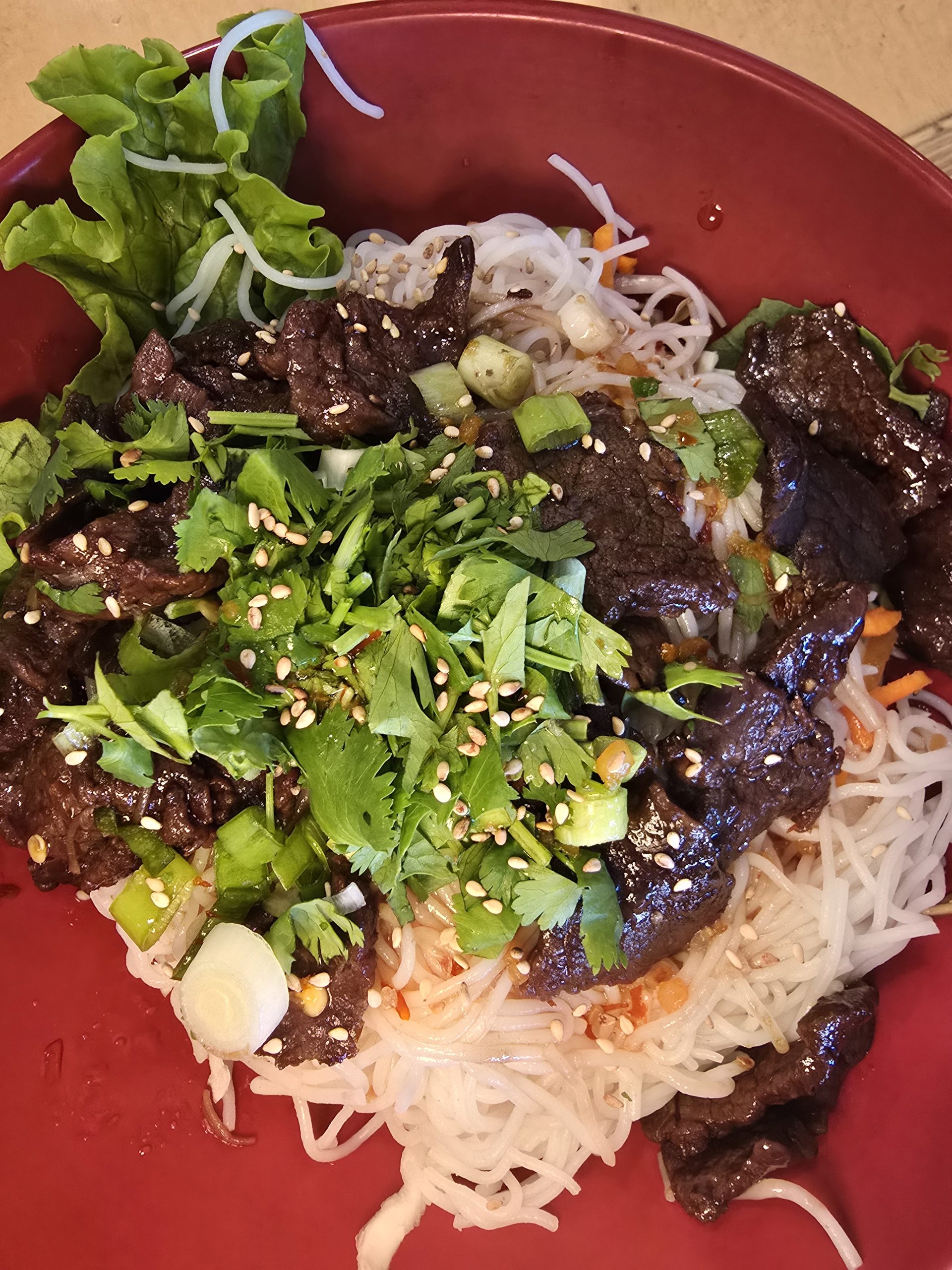
When Penny’s Noodle Shop opened in 1991, Thai food was still unfamiliar to many Chicagoans. Penny’s helped change that by serving approachable, affordable noodle dishes, soups, curries, and stir-fries that were fresh, fast, and made to order.
There was no elaborate concept or overly polished dining room. Penny’s was comfortable, casual, and dependable. You came for noodles, found a favorite, and then spent the next several decades ordering it.
The restaurant eventually grew to include several locations around Chicago, including Wicker Park and Diversey Parkway. The Sheffield Avenue location spent 23 years at the corner of Sheffield and Roscoe before closing in 2013. Six years later, Penny’s returned to the same exact familiar corner.
This time, Aree and her sister were leading the way.
Passing Down More Than Recipes
Aree was not a stranger brought in to reinvent Penny’s. She had worked with the original owners as a server, learning the restaurant from the dining room outward and getting to know its customers personally. When Penny and her husband were ready to retire, they turned to someone who already understood what they had built. Aree took over in 2019 with a promise that mattered deeply to longtime customers: Penny’s would still feel like Penny’s.
The recipes would remain. The classic dishes would stay on the menu. The people who had helped build the restaurant would still have a place there. Members of the original kitchen crews returned, bringing years of experience and an understanding that some things did not need to be “updated.” That kind of continuity is increasingly rare in the restaurant world. A new owner often means a new menu, new branding, new furniture, and at least one light fixture that looks suspiciously difficult to dust.
Aree’s approach was different. She understood that she had not simply purchased a restaurant. She had been entrusted with one. Her job was not to erase what came before. It was to care for it.
A Very Eventful First Year
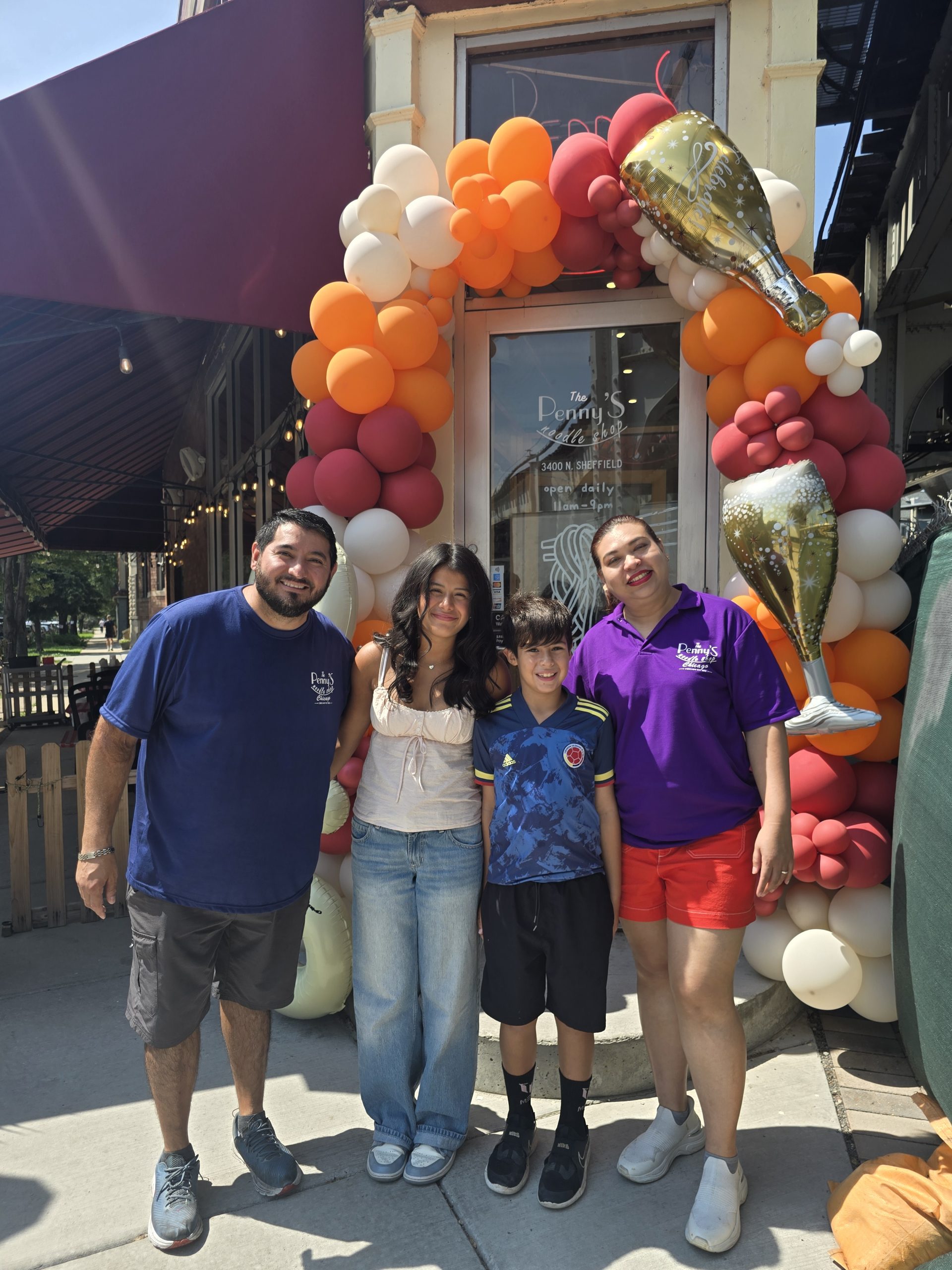
Taking over a longtime restaurant is difficult under the best circumstances. Taking one over in 2019, immediately before a global pandemic, while major construction made the business nearly impossible to see from the street, is the sort of timing that feels personally rude.
When indoor dining shut down, Penny’s stayed open for carryout. Aree and her team adjusted how customers placed and collected orders, followed changing safety protocols, and worked to keep longtime employees on the job. The community responded by continuing to order.
That relationship helped carry Penny’s through a period when nothing about running a restaurant felt certain. Customers knew the food, knew the staff, and knew the people behind the counter. They wanted Penny’s to make it, so they showed up in whatever way they could.
Then there was the construction.
Fencing and equipment surrounded the area, obscuring the storefront and making the restaurant difficult to find. Aree invested in artwork and signage intended to help Penny’s stand out, only to have much of it hidden behind the construction zone.
It was, to put it gently, a rough few years.
Still, Penny’s remained. The dining room filled back up, the regulars returned, and on Friday and Saturday nights, the restaurant once again became the busy, lively neighborhood fixture people remembered.
The Radical Power of Staying the Same
When Aree is asked what has kept Penny’s going, her answer is refreshingly simple: “Be who you are.”
For Penny’s, that means resisting the pressure to chase every trend or turn a dependable neighborhood restaurant into something it was never meant to be.
There may be occasional specials, but people return for the classics. They want the dish they ordered after moving into their first Chicago apartment. They want the soup that got them through a freezing winter, the noodles they shared on an early date, or the takeout order that became a Friday-night tradition.
Most importantly, they want it to taste the way they remember.
Aree has worked hard to preserve that. The recipes have been passed down, longtime employees have remained part of the restaurant, and customers who followed Penny’s between its former locations have found their favorites waiting for them on Sheffield.
In an industry often obsessed with what is new, Penny’s has built its legacy around something far more difficult: being reliably, wonderfully itself.